
How to Furnish an Entire Home Without Making Costly Design Mistakes
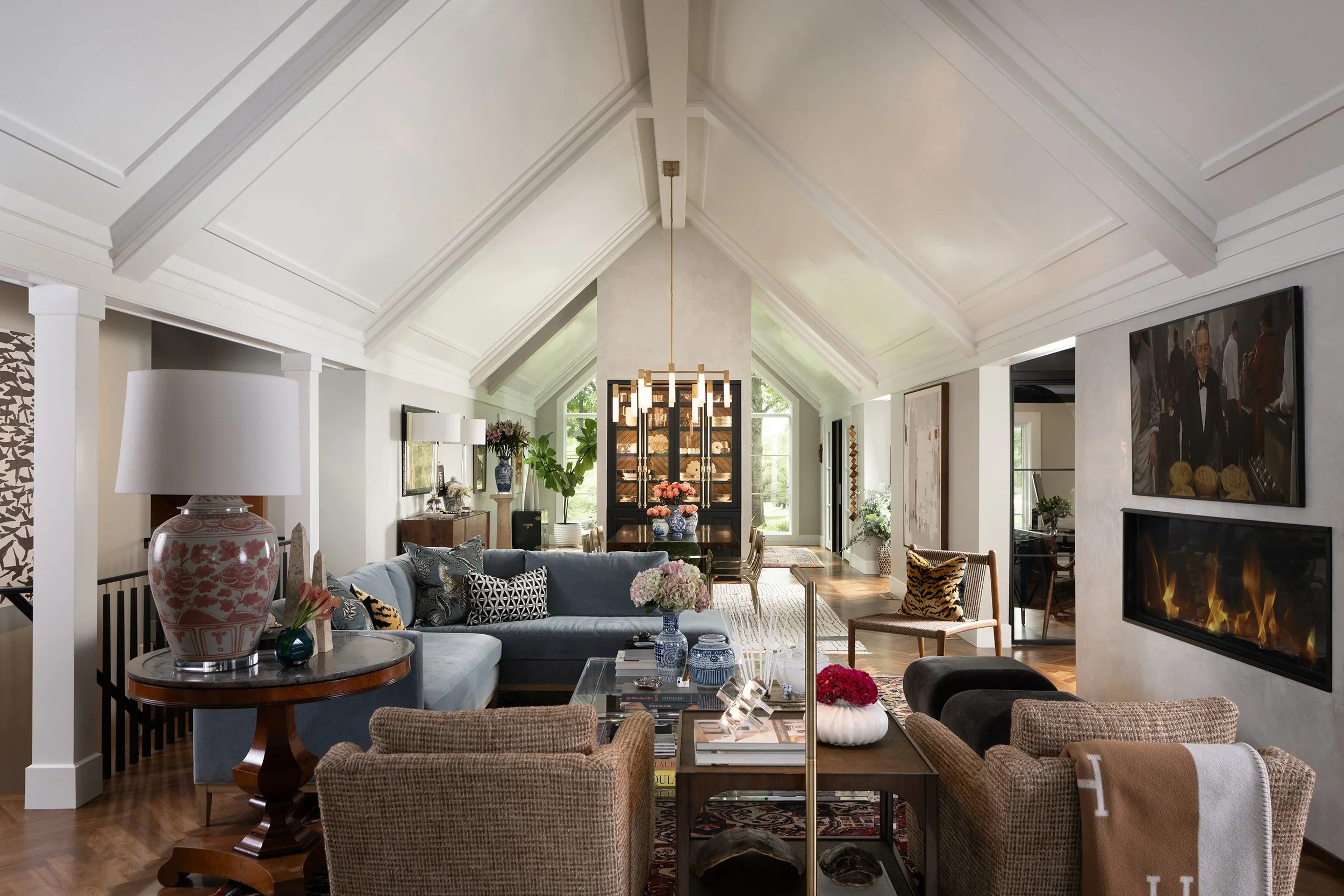
How to Furnish an Entire Home Without Making Costly Design Mistakes
Furnishing an entire home is one of the largest design investments most homeowners will ever make. It's also where some of the most expensive mistakes happen.
At Obelisk Home, we've worked with homeowners throughout Springfield, Nixa, Ozark, and the greater Ozarks region who were building custom homes, relocating, downsizing, remodeling, or simply starting fresh. One thing we've learned after years of furnishing homes and managing interior design projects is that the biggest design mistakes rarely come from choosing the wrong sofa or dining table. They happen when homeowners make dozens of individual purchasing decisions without a clear plan for how everything will work together.
Many people assume furnishing a home means selecting furniture room by room. In reality, successful homes are designed holistically. Furniture, lighting, rugs, artwork, accessories, and room layouts all influence one another. When decisions are made in isolation, costs increase, rooms feel disconnected, and homeowners often find themselves replacing expensive pieces sooner than expected.
The homeowners who are happiest with the final result typically approach furnishing their home as a long-term investment rather than a race to fill empty rooms. They prioritize planning, understand how they want to live in the space, and focus on creating a home that feels collected and intentional rather than completed overnight.
In this guide, we'll walk through the most common mistakes we see homeowners make when furnishing an entire home and explain how to avoid them before they become expensive problems.
Why Furnishing an Entire Home Requires a Different Strategy
Many people approach furnishing a home one room at a time. While that may seem practical, it often creates a collection of individual spaces that don't feel connected.
A well-designed home should have flow. Colors, materials, furniture styles, lighting selections, and decorative elements should complement one another while still allowing each room to have its own personality.
The Difference Between Decorating and Furnishing
Decorating typically involves enhancing an already furnished space with accessories, artwork, and finishing touches.
Furnishing an entire home is much more comprehensive. It involves space planning, furniture selection, traffic flow considerations, lighting design, material coordination, functional needs, and long-term lifestyle planning. The decisions made early in the process affect every room that follows.
Why Costly Mistakes Happen Early
Most expensive mistakes occur before the first piece of furniture is delivered.
We frequently see homeowners run into problems because they purchase oversized furniture, mix styles that don't work together, overlook room dimensions, buy before finalizing layouts, or spend too much of their budget too early.
The larger the project, the more important planning becomes.
Why Designers Rarely Furnish an Entire Home All at Once
One of the biggest misconceptions homeowners have is that a finished home should be completed immediately after move-in.
In reality, most professionally designed homes evolve over time. While foundational furniture pieces are often selected early, artwork, accent furniture, accessories, and collected pieces are layered in gradually.
This approach allows homeowners to better understand how they actually use the space. It also reduces impulse purchases and helps ensure each room develops its own character while still contributing to the overall design story of the home.
Some of the most beautiful homes we've worked on weren't completed in a few weeks. They were thoughtfully curated over months and sometimes years.
Why Homeowners Trust Obelisk Home With Whole-Home Furnishing Projects
Unlike many furniture stores, we don't start with products.
We start with understanding how you want to live in your home.
For more than 15 years, homeowners throughout Springfield and the Ozarks have visited Obelisk Home for everything from a single statement piece to complete home furnishing projects. Our team combines interior design expertise with access to furniture, designer lighting, original artwork, accessories, and custom sourcing options that allow us to help create cohesive spaces from room to room.
Because we work with both retail shoppers and full-service design clients, we often help homeowners avoid the costly mistakes that happen when furniture, lighting, artwork, and finishing selections are made independently rather than as part of a larger plan.
What makes our approach different is that homeowners can experience furniture, lighting, accessories, and original local art together in one curated environment. Instead of trying to visualize how pieces from multiple sources might work together, our clients can see how a complete space comes together before making major purchasing decisions.
If you'd like to learn more about our history and design philosophy, visit our About Us page.
Mistake #1: Buying Furniture Room by Room Without a Master Plan
One of the biggest mistakes we see is homeowners treating every room as a separate project.
While individual spaces may look attractive on their own, the home as a whole can feel disjointed.
Why This Creates Design Problems
Imagine purchasing a modern dining set, a traditional living room collection, and industrial lighting fixtures throughout the house.
Each selection may be beautiful independently, but together they can create visual confusion.
Create a Whole-Home Design Vision First
Before purchasing furniture, establish your overall design style, preferred color palette, material preferences, lifestyle requirements, entertaining needs, and long-term goals.
This framework helps guide every decision moving forward.
Avoid the Matching Showroom Set Trap
Many homeowners assume purchasing an entire matching furniture collection is the safest choice.
While matching sets can feel easy in the moment, they often create interiors that feel flat, predictable, and lacking in personality.
Professional designers typically mix materials, textures, finishes, and furniture styles to create visual interest. The goal is cohesion, not uniformity.
| Matching Furniture Sets | Curated Design Approach |
|---|---|
| Uniform appearance | Layered and collected feel |
| Limited personality | Reflects homeowner's style |
| Often trend-driven | Timeless and adaptable |
| Can feel flat | Creates depth and interest |
| Easy short-term solution | Stronger long-term result |
A home should feel layered and collected. Every room doesn't need to match, but every room should feel like it belongs to the same story.
What is the first step when furnishing an entire home?
The first step is creating a whole-home design plan that establishes style, layout, priorities, and budget before any major furniture purchases are made.
Mistake #2: Purchasing Furniture Before Finalizing Layouts
Furniture should support how a room functions, not dictate it.
Unfortunately, many homeowners buy furniture before they fully understand how their spaces will be used.
What Space Planning Actually Solves
Furniture placement: Ensures each room functions comfortably and efficiently.
Traffic flow: Prevents awkward pathways and bottlenecks.
Seating capacity: Helps rooms support daily living and entertaining.
Storage needs: Identifies organizational requirements before purchases are made.
Sight lines: Creates visual balance throughout the space.
A thoughtful floor plan can prevent costly purchasing mistakes before they happen.
Common Furniture Sizing Errors
Some of the most common issues include sectionals that overwhelm a room, dining tables that leave insufficient walking space, beds that make bedrooms feel cramped, rugs that are too small, and coffee tables that disrupt traffic flow.
Proper scale is one of the most overlooked aspects of interior design.
Measure More Than Just the Room
One of the most frustrating mistakes homeowners make is purchasing furniture that physically cannot be delivered into the space.
Before ordering large furniture pieces, measure:
- Doorways
- Stairwells
- Hallways
- Elevators
- Ceiling heights
- Entry clearances
We've seen beautiful furniture selections become expensive logistical challenges simply because access points weren't considered during the planning process.
Why Layout Planning Matters for Remodels and New Homes
This is especially important in many newer homes being built throughout Nixa and Ozark, where open-concept floor plans require careful furniture placement to create comfortable, functional gathering spaces.
Homeowners planning a new build often benefit from involving an interior designer early in the process so furniture layouts, lighting plans, and finish selections can work together from day one. According to the National Association of Home Builders, design decisions made early in the building process can help improve functionality and reduce costly changes later.
This is where our design team often becomes involved. We've found that homeowners who begin planning furniture layouts, lighting selections, and finish decisions earlier in the process typically experience fewer delays, fewer expensive changes, and a much more cohesive finished result.
If you're planning a custom home or major renovation, our Interior Design Services can help guide the process from concept through installation.
Mistake #3: Spending Too Much Too Early
Many homeowners become excited during the early stages of furnishing and quickly consume a large portion of their budget.
Later, they discover they still need rugs, lighting, artwork, window treatments, and accessories.
Having a complete financial roadmap makes it easier to allocate resources strategically and avoid decision fatigue later in the project.
What Should Be Purchased First?
| Priority | Category | Why It Comes First |
|---|---|---|
| 1 | Major Furniture Pieces | Establishes layout and functionality |
| 2 | Rugs | Defines spaces and proportions |
| 3 | Lighting | Creates mood and usability |
| 4 | Artwork | Adds personality and visual interest |
| 5 | Accessories | Completes the design |
Where Homeowners Commonly Overspend
We often see homeowners invest heavily in a single room, purchase trendy pieces that quickly feel dated, buy duplicates after changing direction, or underestimate the cost of finishing elements.
Consider a Phased Approach
Not every home needs to be furnished all at once.
A phased strategy can prioritize key rooms while allowing time for thoughtful selections in secondary spaces.
Mistake #4: Treating Lighting as an Afterthought
Lighting is one of the most powerful design tools in any home.
Yet many homeowners focus almost exclusively on furniture while leaving lighting decisions until the end.
Why Lighting Impacts Every Space
Lighting influences mood, comfort, functionality, visual balance, and architectural features.
Even beautiful furniture can feel underwhelming in poorly lit spaces.
The Three Layers of Lighting
Ambient Lighting
General illumination that lights the room overall.
Task Lighting
Focused lighting for reading, cooking, working, and other activities.
Accent Lighting
Decorative lighting that highlights artwork, architectural features, or statement pieces.
Common Lighting Mistakes
We frequently see this issue in remodel projects throughout Springfield where homeowners update furniture but leave builder-grade lighting unchanged, limiting the overall impact of the space.
Other common mistakes include undersized fixtures, improper placement, overreliance on recessed lighting, and a lack of dimmers.
Thoughtful lighting creates depth and warmth throughout the home.
For homeowners evaluating designer lighting options, visiting a lighting showroom and seeing scale, finishes, and materials in person can prevent many of the mistakes that happen when purchasing online.
Mistake #5: Waiting Too Long to Incorporate Art and Accessories
Many homeowners assume artwork and accessories should be selected after everything else.
In reality, these elements often help shape the character of a space from the beginning.
Why Finished Rooms Feel Collected Rather Than Decorated
The most memorable interiors rarely feel as though they were purchased from a single source at a single time.
They feel layered. They tell a story. They reflect the people who live there.
The Role of Original Art
One of the advantages of living in the Ozarks is access to talented local artists whose work can help make a home feel uniquely personal and connected to the community.
Artwork can influence color palettes, room mood, furniture selections, and accessory choices.
Many homeowners find that selecting original artwork early helps establish the personality of a room. In our experience, artwork often becomes the element that ties everything together.
If you're exploring artwork as part of your furnishing plan, our Art Gallery features original works from local and regional artists that can help create a more personal and collected feel.
Accessories Bring Rooms to Life
Accessories create texture, contrast, personality, balance, and visual depth.
Without these finishing layers, even expensive rooms can feel unfinished.
The Purchases Homeowners Most Often Regret
Over the years, we've noticed that homeowner regret typically falls into four categories.
Buying Too Fast
A rush to fill empty rooms often leads to expensive replacements later.
Choosing Size Before Function
Furniture should support how you live, not simply fit the room.
Prioritizing Trends Over Longevity
Many trend-driven purchases look dated far sooner than expected.
Waiting Too Long To Plan Lighting
Lighting affects every room and is much harder to correct after furnishings are in place.
Understanding these common regrets can help homeowners make more confident decisions from the beginning.
Whole-Home Furnishing Timeline Framework
One of the questions we hear most often is, "What should we buy first?"
While every project is different, this framework gives homeowners a practical roadmap.
| Stage | Priority |
|---|---|
| Before Construction Ends | Layout planning, lighting plans, finish coordination |
| Move-In Month | Core furniture pieces for living, dining, and bedrooms |
| Months 2–6 | Rugs, window treatments, accent furniture |
| Months 6–12 | Artwork, accessories, layered styling elements |
| Ongoing | Collected pieces that add personality and character |
Approaching furnishing in phases often results in a more thoughtful home and reduces the pressure to make major decisions too quickly.
Online Furniture Shopping vs a Design Showroom Experience
Many homeowners begin their furnishing journey online, and while online shopping certainly has its place, it also creates challenges when furnishing an entire home.
| Online Furniture Shopping | Design Showroom Experience |
|---|---|
| Difficult to judge scale | See furniture in person |
| Color variation risk | Verify finishes and materials |
| Limited design guidance | Access experienced designers |
| Multiple vendors and deliveries | More coordinated selections |
| Higher risk of returns | More informed purchasing decisions |
| Hard to compare products | Compare options side-by-side |
When furnishing an entire home, the ability to see furniture, lighting, artwork, and accessories together often leads to better decisions and fewer costly surprises.
Why Homeowners Often Change Their Mind After Visiting Our Showroom
One of the most common comments we hear from first-time visitors is:
I had no idea this is what Obelisk Home was like.
Many homeowners assume we're appointment-only, exclusively high-end, or focused solely on interior design services.
The reality is very different.
We're open to the public, and our showroom features a wide range of furniture, designer lighting, original artwork, accessories, and home furnishings across multiple price points.
Visiting a furniture showroom allows homeowners to:
- Experience comfort and scale firsthand.
- Compare finishes and materials in person.
- Discover pieces they may not have considered online.
- Receive guidance from a team with design experience.
- See how complete spaces are curated and layered.
For many homeowners throughout Springfield, Nixa, Ozark, and surrounding communities, a showroom visit becomes the turning point that helps them move forward with confidence.
How Professional Designers Furnish an Entire Home
Most successful whole-home furnishing projects follow a structured process.
Step 1: Discovery and Lifestyle Assessment
This stage focuses on understanding how you live, entertain, work, and spend time in your home.
Step 2: Design Concept Development
We establish style direction, color palettes, materials, furniture selections, and an overall vision that guides the project.
Step 3: Furniture, Lighting, and Material Selection
Major decisions are coordinated together rather than independently, creating consistency throughout the home.
Step 4: Ordering and Installation Coordination
Managing multiple vendors, deliveries, timelines, and installations can quickly become overwhelming. Professional coordination helps reduce delays and costly mistakes.
Step 5: Final Styling and Layering
This final phase brings the entire vision together through artwork, accessories, textiles, and finishing details.
What Is the Best Way to Furnish an Entire Home?
The best way to furnish an entire home is to create a whole-home design plan, establish a realistic budget, prioritize major furniture pieces first, finalize room layouts before purchasing, and gradually layer lighting, artwork, and accessories over time. This approach helps prevent costly mistakes and creates a more cohesive, functional home.
When Should You Hire an Interior Designer?
Many homeowners assume interior design services are only for luxury homes.
In reality, professional guidance often saves money by preventing mistakes.
Signs Design Help May Be Worth Considering
You may benefit from professional assistance if you are building a custom home, completing a major renovation, furnishing multiple rooms simultaneously, relocating, or struggling with layout decisions.
The Real Cost of Design Mistakes
Replacing furniture, reworking layouts, or correcting poor selections often costs more than getting expert guidance from the beginning.
The American Society of Interior Designers has long emphasized the value of thoughtful design in improving functionality, comfort, and long-term satisfaction within residential spaces.
Is hiring an interior designer worth it when furnishing an entire home?
For large furnishing projects, professional design guidance often prevents expensive purchasing mistakes, improves functionality, and creates a more cohesive final result.
Furnishing an Entire Home in Southwest Missouri
Homeowners throughout Springfield, Nixa, Ozark, and the surrounding Ozarks region often face unique furnishing considerations.
New Construction Trends
Open floor plans continue to be popular, but they require careful planning to create comfortable and functional spaces.
Why Seeing Furniture in Person Matters
Online shopping can be convenient, but photographs rarely communicate comfort, scale, material quality, finish details, or true color.
Visiting a furniture showroom or interior design showroom allows homeowners to experience pieces firsthand before making significant investments.
The Value of a Curated Showroom
One of the things we encourage homeowners throughout Southwest Missouri to do before making major furniture investments is experience pieces in person.
Seeing furniture, lighting, artwork, and accessories together often provides clarity that photos alone simply can't.
It also allows homeowners to evaluate how different elements work together before making final decisions and helps prevent costly purchasing mistakes.
Frequently Asked Questions
How much should I budget to furnish an entire home?
The answer depends on the size of the home, quality of furnishings, and scope of the project. Creating a plan before shopping helps establish realistic expectations and priorities.
What rooms should be furnished first?
Most homeowners should prioritize primary living spaces, dining areas, and bedrooms before focusing on secondary rooms.
Is it cheaper to furnish a home room by room?
Not always. Purchasing without an overall strategy often leads to duplicate purchases, style inconsistencies, and costly changes later.
How long does it take to furnish an entire house?
Many whole-home furnishing projects take several months depending on inventory availability, custom orders, installation schedules, and project scope.
Can I furnish my home in phases?
Absolutely. A phased approach often allows homeowners to make more thoughtful decisions while maintaining budget flexibility.
Create a Home That Feels Complete From Day One
Furnishing an entire home involves much more than selecting furniture. The most successful projects begin with a clear vision, thoughtful planning, and an understanding of how every room contributes to the overall experience of the home.
By avoiding common mistakes involving layouts, budgeting, lighting, and furniture selection, homeowners can create spaces that feel cohesive, functional, and uniquely personal.
Before making a major furniture purchase, we encourage you to visit our downtown Springfield furniture showroom and interior design showroom to experience furniture, lighting, artwork, and accessories in person. Seeing complete spaces curated together often provides the confidence and clarity homeowners need before making significant design investments.
Whether you're furnishing a custom home in Nixa, updating a historic property in Springfield, or completing a remodel elsewhere in the Ozarks, we'd love to help you create a home that feels intentional from the very beginning.
Ready to start furnishing your home with confidence? Visit our Contact Page to schedule a consultation with our team, or stop by the showroom and explore what's possible for your home.
The goal isn't simply to fill rooms. It's to create a home that feels collected, intentional, and truly yours.
