
Should You Hire an Interior Designer Before Remodeling Your Home?
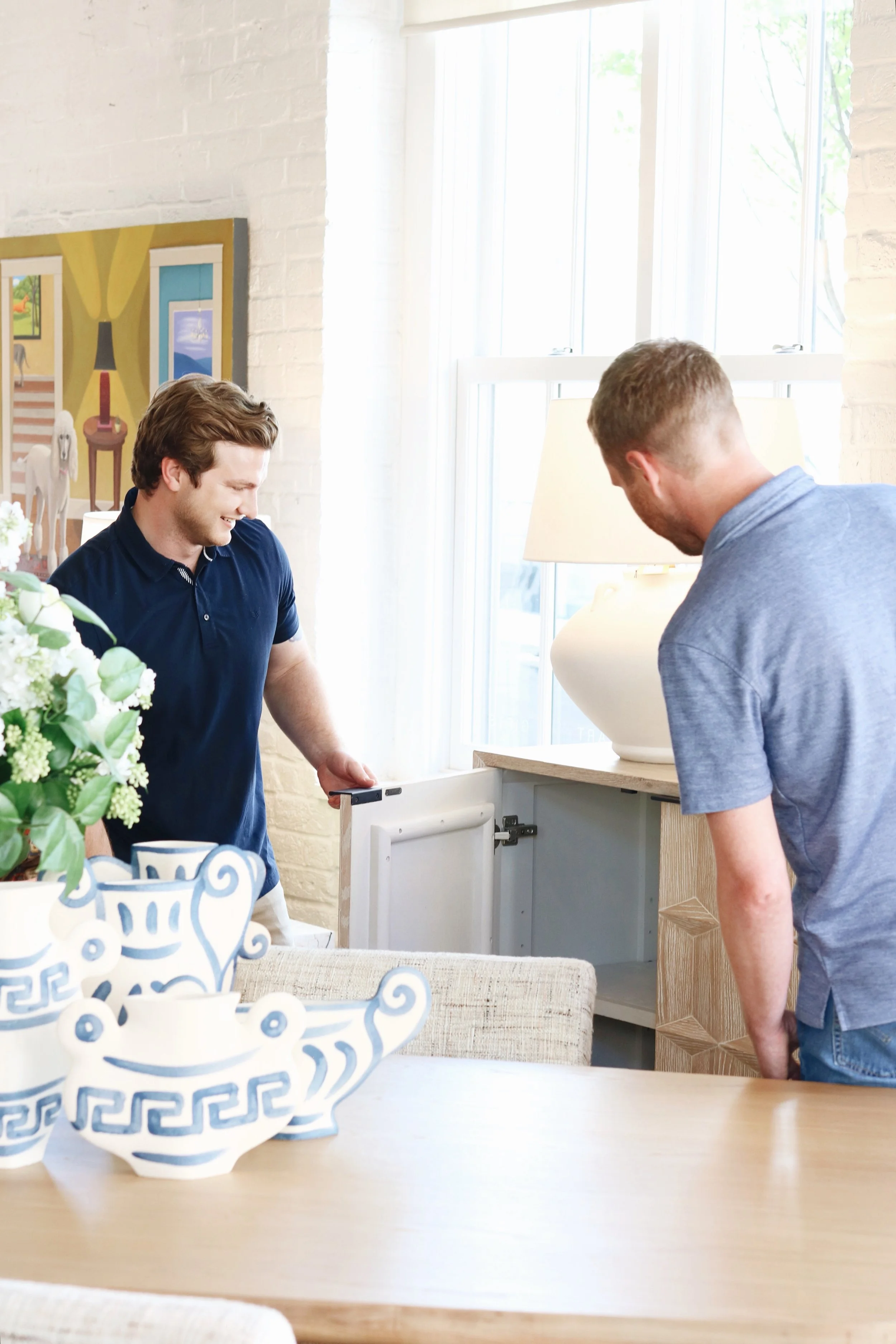
Should You Hire an Interior Designer Before Remodeling Your Home?
If you are planning a remodel, one of the first and most important decisions you will make is who to involve in the process before construction begins.
After years of helping homeowners throughout Springfield, the Ozarks, and surrounding southwest Missouri communities navigate remodeling projects, one thing has become consistently clear to us at Obelisk Home: the most successful renovations almost always begin with thoughtful planning before demolition, material orders, or contractor schedules are finalized.
As both a full-service interior design studio and a curated retail showroom, we regularly work with homeowners who are trying to balance functionality, layout changes, furnishings, lighting, remodeling decisions, and long-term livability all at once. Many come to us after feeling overwhelmed by online inspiration, conflicting opinions, or uncertainty about where to even begin.
That confusion is extremely common.
Many homeowners initially assume interior design happens after construction. In reality, some of the most valuable design decisions happen long before the first wall is opened.
Layout planning, furniture flow, lighting placement, storage functionality, finish coordination, and long-term livability all shape how successful a remodel ultimately feels once people start living in the space again.
Without that planning stage, projects can quickly become overwhelming, expensive, and disconnected.
That is especially true today, when homeowners are balancing inspiration from Pinterest, online shopping, contractor timelines, and budgeting decisions all at once. According to the National Kitchen & Bath Association, early collaboration and planning are among the biggest factors influencing remodeling satisfaction, budgeting, and project success.
Whether you are remodeling one room or rethinking your entire home, bringing in design guidance early often creates a smoother process and a far more cohesive finished result.
Why Homeowners Often Regret Starting a Remodel Without a Design Plan
One of the most common remodeling mistakes homeowners make is starting construction before fully understanding how they want the finished space to function.
We see this often with kitchen remodels, open-concept renovations, and older homes throughout communities like Springfield, Ozark, and Nixa where homeowners know they want change but have not fully mapped out how all the decisions connect together.
It usually begins with individual selections:
- Countertops
- Flooring
- Cabinets
- Lighting
- Furniture purchases
The problem is that remodeling decisions do not happen independently. Every decision affects another.
Cabinet Layouts Affect More Than Most People Realize
Cabinet layouts influence lighting placement, storage accessibility, furniture flow, and even how open or closed a room ultimately feels.
Lighting Changes How a Space Functions
Lighting impacts everything from mood to usability. We often see homeowners in Republic and Rogersville remodel a room beautifully only to realize afterward that the lighting no longer supports how they actually live in the space.
Furniture Scale Impacts Traffic Flow
A room can technically be larger after remodeling but still feel cramped if furniture sizing and layout planning were not considered early.
One of the biggest challenges homeowners face during remodeling is that problems often do not appear until construction is already underway. By that point, changing layouts, moving electrical, adjusting cabinetry, or reworking materials becomes far more stressful and expensive.
Many remodeling regrets are not construction problems. They are planning problems.
For homeowners beginning the process, our interior design services are often where clarity starts.
What an Interior Designer Actually Does Before Remodeling Starts
One of the biggest misconceptions about interior design is that it only involves decorating after construction is complete.
In reality, much of the most important design work happens before remodeling even begins.
An experienced interior designer helps homeowners think through how a space should function, flow, and feel long before materials are installed or walls are removed.
Core Areas Designers Help Plan Before Construction
| Design Focus | Why It Matters |
|---|---|
| Layout planning | Improves traffic flow and functionality. |
| Lighting coordination | Supports mood, visibility, and usability. |
| Furniture spacing | Prevents overcrowding or awkward layouts. |
| Finish selections | Creates a cohesive visual result. |
| Storage planning | Improves long-term livability. |
| Budget prioritization | Helps homeowners invest strategically. |
For example, a beautiful kitchen can still feel frustrating if appliance placement disrupts workflow. A large living room can still feel cramped if furniture scale was not planned properly. A remodeled primary suite may still feel unfinished if lighting and furnishings were treated as afterthoughts.
These are the types of issues designers help solve before they become expensive construction changes later.
At Obelisk Home, we often work with homeowners throughout southwest Missouri who know what they like visually but struggle to connect all the pieces into a cohesive plan that works for their home and lifestyle.
That is also why many homeowners benefit from visiting our interior design showroom before remodeling begins. Seeing furniture, lighting, textures, and layouts in person often helps people make more confident decisions before construction starts.
Homeowners can also explore examples of layered, thoughtfully designed spaces through our project portfolio to better understand how planning decisions shape the finished result.
Should You Hire a Contractor or Interior Designer First?
In many remodeling projects, hiring an interior designer before construction begins can help homeowners make smarter decisions about layout, functionality, lighting, materials, and overall flow before expensive work starts.
That does not mean contractors are not essential. They absolutely are. But designers and contractors typically solve different parts of the same project.
The contractor focuses on construction execution. The designer focuses on how the finished space will ultimately function and feel day to day.
When Hiring a Designer First Makes the Most Sense
- Kitchen or bathroom remodels where layout changes matter
- Open-concept renovations involving multiple connected spaces
- Older homes with awkward traffic flow or storage limitations
- Whole-home furnishing projects after remodeling
- Remodels where homeowners feel overwhelmed by decisions
This early planning stage often prevents expensive revisions later.
When a Contractor May Come First
There are situations where a contractor may naturally be the first call:
- Storm damage
- Structural issues
- Water restoration
- Foundation concerns
- Emergency repairs
Even then, homeowners in places like Battlefield and surrounding Ozarks communities often benefit from involving a designer once structural repairs are addressed.
Why Collaborative Remodels Usually Perform Better
The strongest remodels are collaborative.
Designers, contractors, and homeowners each bring different expertise into the process. When those conversations happen early, projects usually move more smoothly and feel far less stressful.
The American Society of Interior Designers also emphasizes that interior designers contribute not only to aesthetics, but to functionality, safety, planning, and quality of life within a home.
What Happens If You Skip a Designer During Remodeling?
Not every remodel requires full-service design support. But homeowners are often surprised by how many problems trace back to missing planning early in the process.
Another major issue is decision fatigue.
Homeowners are often forced to make dozens of decisions quickly during active construction. Without a clear vision already established, those decisions become stressful and inconsistent.
A designer helps create structure before the project becomes overwhelming.
Can Hiring a Designer Actually Save You Money?
This is one of the most important questions homeowners ask, and honestly, it should be.
A remodel is a major investment. People want to know whether hiring an interior designer creates meaningful value.
In many cases, thoughtful design planning helps homeowners avoid mistakes that cost far more to correct later.
Where Homeowners Often Overspend Without Planning
Last-Minute Changes
Mid-project revisions are one of the fastest ways remodeling budgets increase unexpectedly.
Poor Product Selections
Ordering furniture, finishes, or lighting without seeing how everything works together often leads to replacement purchases later.
Investing in the Wrong Areas
Not every part of a remodel needs to be luxury-level to create a beautiful result. Experienced designers help homeowners prioritize where investment matters most.
At Obelisk Home, we also help clients think beyond short-term trends. Remodeling decisions should still feel cohesive and functional years later, not just immediately after installation.
This has become especially important for homeowners throughout the greater Springfield area who are investing more into long-term home value and personalization rather than quick cosmetic updates.
How Early Should You Talk to an Interior Designer?
Earlier than most homeowners think.
Ideally, an interior designer should be involved before major decisions are finalized.
The Best Time to Bring in Design Guidance
- Before demolition begins
- Before cabinetry is ordered
- Before electrical plans are finalized
- Before flooring selections are locked in
- Before furniture purchases are made
The earlier planning begins, the more flexibility homeowners usually have.
One situation we commonly see is homeowners reaching out after independently purchasing several pieces online, only to realize later that the products do not work cohesively together once everything arrives.
Early planning helps prevent that disconnect.
What to Expect During an Interior Design Consultation
Many homeowners feel intimidated before meeting with an interior designer for the first time.
Some assume they need a massive budget. Others feel pressure to already know exactly what they want. In reality, most people begin the process with uncertainty.
A design consultation is usually far more collaborative and approachable than people expect.
During a Consultation, We Typically Discuss:
- How the home currently functions
- Frustrations with the existing layout
- Lifestyle needs
- Personal preferences
- Long-term goals
- Budget comfort levels
- Remodeling priorities
Sometimes homeowners bring inspiration images. Sometimes they simply know the space does not feel right but cannot pinpoint why.
Both are completely normal.
The goal is not to pressure people into unnecessary renovations. The goal is to create clarity and direction.
Many clients also begin exploring our curated furniture collections, designer lighting options, and client testimonials during this stage because seeing completed spaces and layered design examples often helps homeowners better understand the possibilities.
Signs You May Benefit From Hiring an Interior Designer Before Remodeling
You may benefit from hiring a designer before remodeling if:
You Feel Overwhelmed by Choices
Many homeowners in communities throughout the Ozarks know what they like aesthetically but struggle once they have to make dozens of connected decisions.
Your Layout Does Not Function Well
Older homes especially often have traffic flow or storage challenges that remodeling alone does not automatically solve.
You Want a Cohesive Finished Result
A home should feel layered and intentional rather than pieced together one purchase at a time.
You Are Investing Significant Money Into the Remodel
The larger the investment, the more important planning becomes.
You Keep Second-Guessing Decisions
That uncertainty is often a sign that a clearer overall vision is needed before construction progresses further.
The most successful remodels are rarely built around random individual purchases. They are built around a thoughtful overall vision.
Why Springfield Homeowners Often Want Design Help Before Remodeling
Homes throughout Springfield and surrounding Ozarks communities often come with unique layout and functionality challenges.
Older homes may have segmented floor plans, awkward transitions, limited natural lighting, or rooms that no longer support modern lifestyles. Even newer homes in growing communities like Nixa and Ozark can feel disconnected or difficult to furnish cohesively without a larger design strategy.
We also see many homeowners combining remodeling with furnishing updates at the same time. That overlap is where thoughtful planning becomes especially valuable because remodeling decisions directly affect furniture scale, lighting placement, room flow, and long-term usability.
Another major shift we have seen in recent years is homeowners moving away from generic, cookie-cutter interiors and wanting homes that feel collected, personal, functional, and reflective of how they actually live.
That philosophy has always been part of Obelisk Home’s approach to design.
Frequently Asked Questions
Should I hire an interior designer before remodeling?
In many cases, yes. Hiring an interior designer before remodeling helps homeowners create a clearer plan for layout, functionality, lighting, materials, and overall cohesion before construction begins.
Can an interior designer work with my contractor?
Absolutely. Many successful remodeling projects involve collaboration between the designer, contractor, and homeowner. Each professional contributes different expertise to help the project run more smoothly.
Is hiring an interior designer worth it for smaller remodels?
It can be. Even smaller remodels benefit from thoughtful planning, especially when layout, lighting, furniture flow, or finish coordination are involved.
Do interior designers only work on luxury homes?
No. Many homeowners work with designers simply because they want help making better decisions, avoiding costly mistakes, or creating a more cohesive result regardless of project size.
Can I keep some of my existing furniture during a remodel?
Absolutely. Many remodels combine new materials and layouts with existing furnishings, artwork, or statement pieces homeowners already love.
How far in advance should I contact a designer before remodeling?
Ideally, before major decisions or material orders are finalized. Earlier planning usually creates more flexibility and a smoother remodeling process overall.
Better Remodels Start With Better Planning
A successful remodel is about far more than selecting beautiful finishes. It is about creating a home that functions well, feels cohesive, and supports how you actually live every day.
The homeowners who feel most confident during remodeling are usually the ones who started with a clear plan before construction began. They are not scrambling to make rushed decisions halfway through the project or trying to solve layout problems after materials have already been installed.
That level of clarity is what thoughtful design guidance helps create.
At Obelisk Home, we help homeowners throughout Springfield, the Ozarks, and surrounding southwest Missouri communities navigate remodeling decisions with a balance of practical expertise, thoughtful planning, and approachable design guidance. Whether you are updating one room or transforming an entire home, our team is here to help you create spaces that feel layered, personal, functional, and beautifully lived in.
