
Before and After Interior Design Transformations in Springfield, MO: What Actually Changes a Home
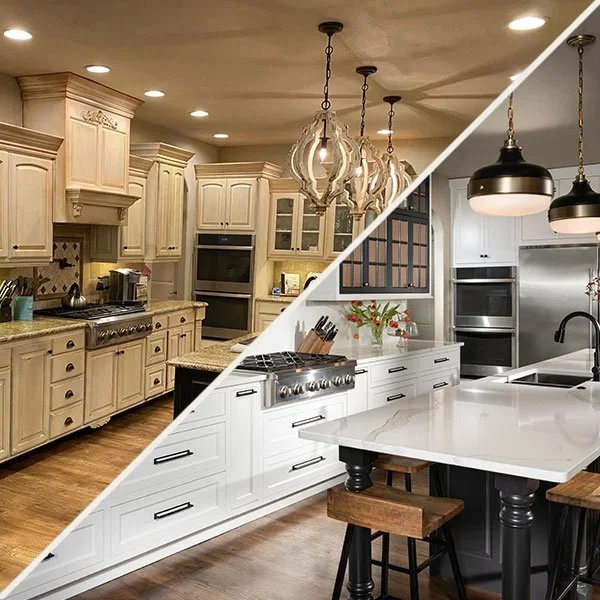
Before and After Interior Design Transformations in Springfield, MO: What Actually Changes a Home
If you’ve ever walked into a home after a remodel or redesign and immediately felt calmer, warmer, or more comfortable without being able to explain exactly why, that is usually the result of thoughtful interior design working behind the scenes.
The biggest before-and-after interior design transformations are rarely about simply replacing furniture or following trends. The real transformation happens when a home finally starts functioning the way it should.
After more than two decades in interior design, furnishings, sourcing, and renovation collaboration, we have seen this firsthand at Obelisk Home. Homeowners throughout Springfield and nearby Ozarks communities often come to us feeling overwhelmed by layouts that do not work, rooms that feel disconnected, lighting that makes the home feel flat, or furnishing decisions they regret after purchasing online.
Some are remodeling older homes near Rountree or Walnut Street. Others are trying to make newer homes in areas like Nixa or Ozark feel warmer and more personal. Many simply know their home does not feel “finished,” even though they cannot identify exactly what is missing.
That is where professional interior design changes everything.
At Obelisk Home, our process combines full-service interior design expertise with access to a walk-in retail showroom filled with layered furnishings, statement lighting, original local art, and curated decor that helps homeowners visualize how a home can actually come together in real life.
The goal is not to create a home that looks staged for photos. The goal is to create spaces that feel intentional, functional, collected, and deeply personal to the people living there.
What Most Homes Are Missing Before a Design Transformation
One of the biggest misconceptions homeowners have is assuming something is wrong with the house itself when a room feels uncomfortable or unfinished.
In reality, the issue is often a combination of poor layout flow, incorrect furniture scale, flat lighting, disconnected finishes, and rooms that were never planned holistically.
We hear this constantly from homeowners searching for before and after interior design transformations in Springfield, MO:
“I know what I like, but I cannot make it work together.”
The homes that feel the most comfortable and visually balanced are rarely accidental. They are intentionally layered over time with thoughtful planning behind the scenes.
Layout Problems That Quietly Affect Everyday Life
Many homes throughout southwest Missouri were built during very different design eras.
Older homes closer to central Springfield often struggle with compartmentalized layouts and disconnected dining spaces. Meanwhile, newer homes in communities like Republic or Rogersville may have oversized open-concept layouts that feel visually cold or difficult to furnish properly.
One of the most dramatic transformations we see is when a home finally gains proper flow.
Instead of relying on random furniture placement, thoughtful space planning focuses on:
- Creating natural traffic patterns
- Defining comfortable conversation areas
- Improving visual balance throughout the room
- Making the space feel more functional day to day
Why Online Inspiration Often Creates Frustration
Pinterest and Instagram have made homeowners more design-aware than ever before, but they have also created unrealistic expectations.
A room that photographs beautifully online may fail completely in real life because social media rarely accounts for:
- actual room dimensions
- natural light
- architecture
- storage needs
- everyday functionality
According to the National Association of Home Builders, functionality and adaptable living spaces continue to rank among the top homeowner priorities during renovations and redesigns.
The Emotional Impact of Poor Design
A home that feels cluttered, disconnected, dark, or unfinished creates low-level stress people often carry daily without realizing it.
Many homeowners eventually reach a point where they:
- stop using certain rooms
- avoid entertaining guests
- feel frustrated by constant clutter
- regret expensive online purchases
Thoughtful interior design changes more than aesthetics. It changes how people experience their homes emotionally.
A successful interior transformation should not just make a home look different. It should make the home feel easier to live in every single day.
What Actually Changes During an Interior Design Transformation
The most successful before-and-after interior design transformations involve layered improvements working together.
The goal is improving functionality, comfort, lighting, balance, livability, and visual cohesion.
Better Space Planning and Furniture Layout
Professional space planning is one of the most valuable parts of interior design because it affects how a home works every single day.
We frequently work with homeowners who assumed they needed an entirely new room when the real issue was poor layout flow.
For example, many older homes around central Springfield have formal living rooms that feel disconnected from the way families actually live today. In newer homes throughout communities like Ozark or Nixa, oversized open-concept spaces often create the opposite problem. Rooms feel visually cold, oversized, or difficult to furnish cohesively.
Sometimes the transformation starts with surprisingly small changes:
- floating furniture away from walls
- redefining seating zones
- correcting rug scale
- improving sightlines between rooms
Other times, it involves larger remodeling decisions like opening a kitchen to improve entertaining flow or reworking awkward dining areas that homeowners rarely use.
One of the biggest misconceptions people have is assuming a room needs more furniture when it actually needs better balance and intentionality.
For homeowners preparing for a remodel, our interior design services help bridge the gap between construction planning and livable, functional design.
Layered Lighting Completely Changes the Feel of a Home
Lighting is one of the most overlooked design elements in residential interiors.
Many homes rely too heavily on overhead can lighting, which often creates harsh shadows and flat spaces.
A professionally layered lighting plan combines several different lighting types together:
| Lighting Type | Purpose |
|---|---|
| Ambient Lighting | Overall warmth and visibility |
| Task Lighting | Focused light for reading, cooking, or work |
| Accent Lighting | Highlights artwork and architectural details |
| Decorative Lighting | Creates personality and visual impact |
One of the biggest transformations we see happens when homeowners finally experience how dramatically proper lighting affects paint color, texture, mood, and room scale.
The American Lighting Association notes that layered lighting improves not only functionality but also visual comfort and overall wellbeing inside the home.
Furnishings Begin Feeling Cohesive Instead of Random
Many homeowners accumulate furniture over time without an overall design plan.
The result is often a room filled with pieces they individually love, but the space still feels disconnected once everything is together.
A professionally layered room creates cohesion through:
- balanced scale
- intentional contrast
- texture variation
- coordinated finishes
- visual rhythm
At Obelisk Home, one advantage we offer is the ability to help homeowners see these combinations in person instead of trying to imagine them from isolated online product photos.
Because our showroom blends furniture, lighting, original local artwork, accessories, and layered vignettes together, clients can better visualize how a complete space should feel rather than simply shopping item by item.
Explore our showroom collections and home furnishings to see how these spaces come together.
Personalization Gives a Home Character
Rather than relying on trend-driven decorating, many homeowners throughout the Ozarks are now prioritizing:
- Original local artwork
- Layered textures and textiles
- Collected furnishings with character
- Statement lighting
- Meaningful accessories that reflect personality
That collected feel is what gives homes warmth and long-term staying power.
Before and After Transformations Are About More Than Looks
Visual improvement may attract attention online, but the true value of interior design is usually tied to how the home functions long term.
The best-designed homes do not just photograph beautifully. They support the way people actually live every day.
Functionality Improves Daily Living
The best transformations improve how people use their homes.
That may involve:
- creating better entertaining spaces
- improving storage
- maximizing kitchen flow
- adding flexible workspaces
- making gathering spaces feel more comfortable
These changes become especially important during remodels and full-home furnishing projects throughout Springfield and surrounding communities.
Professional Guidance Helps Avoid Expensive Mistakes
One poorly scaled sectional or incorrect finish decision can impact a room for years.
We regularly work with homeowners who purchased furniture or lighting online that looked completely different once it arrived in their home.
Professional design guidance helps homeowners make more confident, informed decisions before expensive mistakes happen.
Homes Start Feeling Intentional
One of the biggest emotional shifts homeowners experience after a transformation is finally feeling like their home works together cohesively.
That sense of intentionality is difficult to achieve when rooms evolve one isolated purchase at a time.
Is Hiring an Interior Designer Actually Worth It?
This remains one of the most common homeowner questions online, especially during remodeling season.
The answer depends largely on how much value homeowners place on:
- avoiding mistakes
- improving functionality
- creating cohesion
- reducing overwhelm
Interior Designers Solve More Problems Than People Realize
Interior designers do far more than select pillows and paint colors.
Professional design guidance may include:
- layout planning
- remodeling coordination
- finish selections
- sourcing
- furniture planning
- lighting plans
- installation coordination
For many homeowners, the biggest benefit is simply having clarity throughout the process.
Early Design Planning Prevents Remodeling Regrets
This becomes especially important during renovations.
We often collaborate during early project planning to help homeowners avoid awkward kitchen layouts, poor lighting placement, insufficient storage, disconnected finishes, and traffic flow problems before construction begins.
For more guidance, read our blog on whether you should hire an interior designer before remodeling your home.
Design Guidance Often Saves Money Over Time
While many homeowners initially hesitate to hire a designer, professional guidance often prevents repeated purchases and costly redesign mistakes later.
The goal is not simply to create a beautiful room today. It is creating spaces that continue functioning well for years.
What Makes Interior Design Transformations Feel Successful
The most successful projects are the ones that improve how homeowners feel inside their homes every day.
Collaboration and Trust Matter
The strongest projects happen when homeowners:
- Communicate openly
- Trust the design process
- Stay flexible during decision-making
- Allow spaces to evolve thoughtfully over time
That collaboration often leads to more layered, personalized interiors with long-term staying power.
Real-Life Function Matters More Than Perfect Photos
Beautiful rooms still need to support real life.
Successful interiors account for pets, children, storage, flexibility, entertaining, comfort, and daily routines instead of focusing only on aesthetics.
Seeing Design in Person Builds Confidence
This is one reason walk-in showrooms still matter despite the growth of online shopping.
Being able to physically experience furniture scale, lighting warmth, material texture, and finish combinations helps homeowners make far more confident decisions.
For many first-time visitors, seeing our showroom removes the assumption that Obelisk Home is intimidating or inaccessible.
Common Questions Homeowners Ask Before Starting a Design Project
Can You Work With Existing Furniture?
Absolutely.
Many projects combine existing pieces with updated lighting, accessories, artwork, and new furnishings to create a more cohesive home.
Do I Need a Massive Budget to Work With a Designer?
No.
Some of the most impactful transformations come from improving layout flow, lighting, and layering rather than replacing everything.
Should I Hire a Designer Before Remodeling?
In many cases, yes.
Early planning often prevents costly mistakes while helping ensure the finished home functions well long term.
Why Springfield-Area Homeowners Are Moving Toward More Personalized Interiors
Homeowners throughout southwest Missouri are increasingly moving away from generic, mass-produced spaces.
Instead, they want homes that feel layered, welcoming, and personal.
Character Matters More Than Trends
We are seeing growing interest in:
- Original local artwork
- Collected furnishings with character
- Warm lighting and natural textures
- Statement pieces that feel personal instead of mass-produced
One of the biggest shifts happening in residential design right now is homeowners prioritizing authenticity over perfection.
The homes people connect with emotionally are rarely the ones that feel the most trendy. They are the ones that feel thoughtful, comfortable, and genuinely reflective of the people living there.
In-Person Shopping Still Creates Better Results
Despite the convenience of online ordering, many homeowners still prefer seeing furnishings and materials in person before making major investments.
That tactile experience often leads to better long-term decisions and greater confidence.
Before-and-After Transformations Build Trust
Transformation content resonates because it shows proof.
Homeowners want to understand:
- what changed
- why it changed
- how the home improved functionally
That transparency helps move homeowners from inspiration into action.
Frequently Asked Questions About Interior Design Transformations
How long does an interior design transformation usually take?
Every project timeline is different depending on the scope of work, remodeling involvement, and product lead times. Single-room projects may move relatively quickly, while full-home transformations can take several months.
Do I Have to Remodel My Entire Home to See a Big Difference?
Not at all. Some of the most impactful transformations come from improving layout, lighting, furnishings, and styling within the existing structure of the home.
Can I Shop at Obelisk Home Without Hiring a Designer?
Yes. Obelisk Home is open to the public and welcomes walk-in shoppers looking for furniture, lighting, original art, and curated home decor inspiration.
See What Thoughtful Interior Design Can Actually Change
The most successful before-and-after interior design transformations are about far more than aesthetics.
Thoughtful design improves how a home functions, feels, and supports everyday life. It creates comfort, warmth, confidence, and cohesion in ways homeowners often do not realize are possible until they experience the difference firsthand.
Whether you are remodeling a historic home near downtown Springfield, furnishing a newer home in Ozark or Republic, or trying to make your current home finally feel complete, professional design guidance can make the process significantly less overwhelming and far more rewarding.
If you are exploring before and after interior design transformations in Springfield, MO, we invite you to visit our showroom, experience the spaces in person, and talk with our team about your goals.
Schedule a consultation or contact Obelisk Home today to start creating a home that feels intentional, functional, layered, and uniquely yours.
