
Interior Design for New Construction in Springfield, MO: How Designers, Builders, and Homeowners Work Together
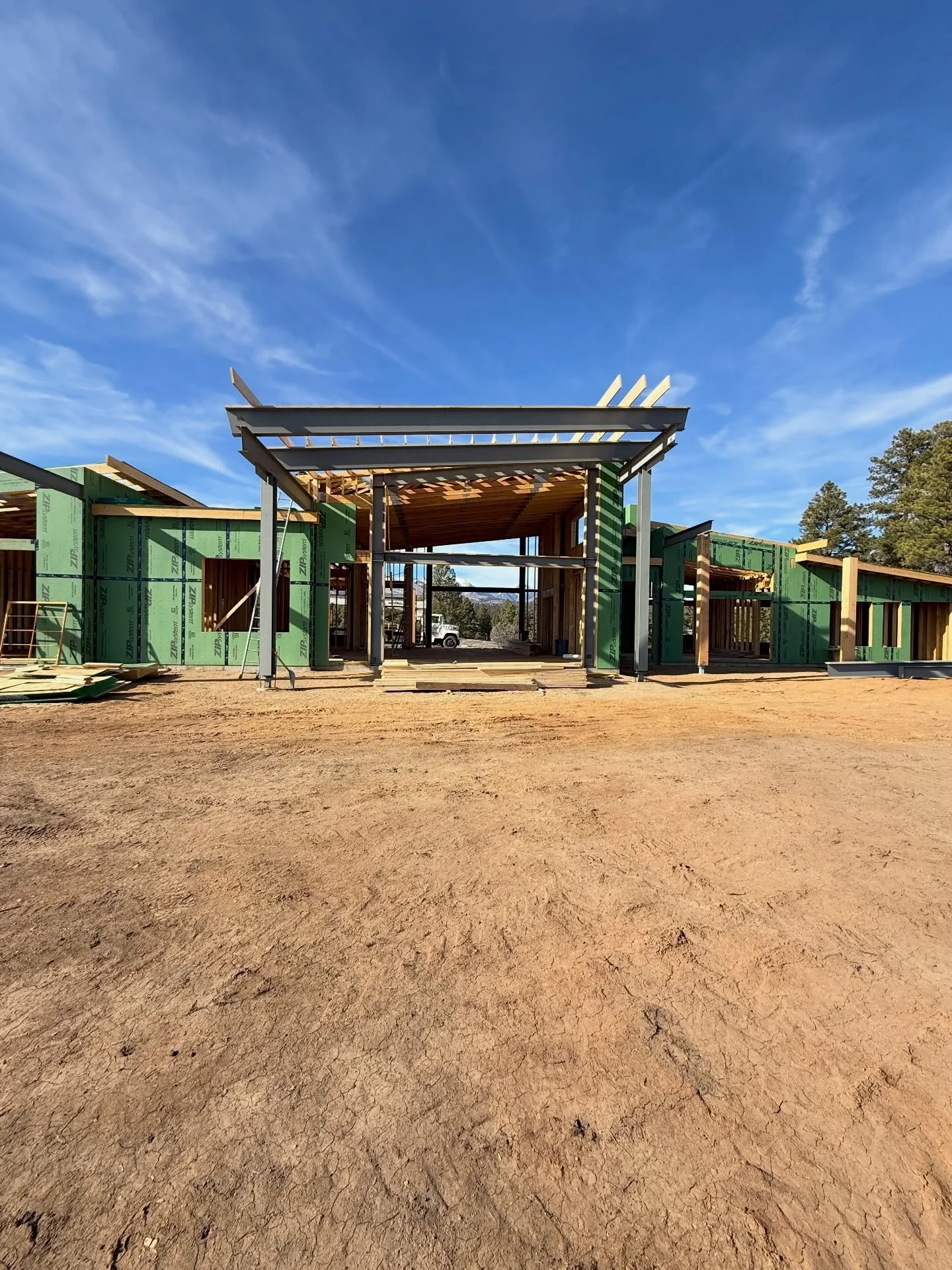
Interior Design for New Construction in Springfield, MO: How Designers, Builders, and Homeowners Work Together
Building a custom home is one of the largest investments most homeowners will ever make, yet many people don't realize how many critical design decisions need to be finalized before construction is complete.
At Obelisk Home, we've spent years working alongside homeowners, builders, architects, and trade professionals throughout Springfield and the Ozarks, helping guide projects from the earliest planning stages through final installation. One lesson we've learned repeatedly is that the most successful new construction projects are rarely the result of one person making all the decisions. They come from strong collaboration between the homeowner, builder, and interior designer from the very beginning.
Our founder, Nathan, has spent more than two decades in the furniture, interior design, and home furnishings industries. Before founding Obelisk Home, he owned successful furniture and design businesses and later worked with national retailers on product sourcing and development. That experience gives our team a unique perspective on how design decisions impact both the construction process and the finished home. It has also reinforced something we see every day: beautiful homes are rarely created by accident. They are the result of thoughtful planning, clear communication, and a team working toward the same vision.
We've seen firsthand how waiting too long to involve a designer can create unnecessary challenges. Electrical locations may need to be adjusted after lighting selections are made. Cabinet layouts may need to be modified after appliance specifications change. Furniture planning may reveal traffic flow issues that could have been addressed much earlier in the process.
Today's custom homes require a coordinated approach because every decision is connected. Cabinetry influences electrical plans. Furniture layouts affect outlet placement. Lighting selections impact ceiling design. Flooring transitions affect construction schedules. When these details are considered together, the building process becomes more efficient and the finished home feels intentional from the ground up.
Whether we're helping a family build a custom home in Nixa, coordinating finish selections for a project in Ozark, or working alongside builders in Springfield, we consistently find that early collaboration leads to smoother projects, fewer surprises, and better long-term results.
In this guide, we'll explain how the collaboration process works, what decisions need to be made throughout construction, and how thoughtful planning can help homeowners avoid many of the costly surprises that often occur during a custom home build.
Why Interior Design Should Start Before Construction Begins
One of the biggest misconceptions we encounter is that interior design begins after construction is underway.
In reality, some of the most important design decisions happen long before drywall is installed.
Design Decisions Influence Construction Decisions
When homeowners begin planning a new build, many are surprised by how interconnected the design and construction processes become. Decisions about cabinetry, lighting, furniture placement, flooring, built-ins, appliances, and plumbing fixtures all influence how the home is framed, wired, and constructed.
For example, selecting statement lighting after electrical rough-in may require modifications that could have been avoided with earlier planning. The same is true for custom millwork, built-in storage, kitchen layouts, and specialty fixtures.
Early Planning Reduces Expensive Change Orders
The earlier major decisions are made, the easier it becomes for builders and trades to keep projects moving efficiently.
A Better Experience for Everyone Involved
When designers, builders, and homeowners collaborate early, communication improves and fewer surprises arise throughout the project.
Designer Insight: One of the most common challenges we see during custom home projects is homeowners being asked to make major finish decisions after construction has already reached critical milestones. Making those selections earlier almost always creates a smoother building experience.
When Should You Hire an Interior Designer During New Construction?
One of the most common questions homeowners ask is when they should bring an interior designer into the process.
Our recommendation is simple: earlier than you think.
Ideally, a designer should be involved during the planning phase, before construction documents are finalized and before major specifications are locked in. This allows design decisions to support the construction process rather than react to it.
The most successful projects typically follow this sequence:
- Establish overall project goals and lifestyle needs.
- Collaborate on floor plan functionality.
- Begin material and finish discussions.
- Coordinate lighting, cabinetry, and space planning.
- Finalize specifications before construction reaches critical milestones.
By the time framing begins, many major decisions should already be underway. This helps keep the project moving efficiently and significantly reduces the likelihood of expensive changes later.
The Three-Way Partnership Behind a Successful Custom Home
The most successful custom homes are rarely the result of one person making every decision independently.
They are the product of collaboration.
| Team Member | Primary Responsibility | Key Contribution |
|---|---|---|
| Homeowner | Vision and priorities | Defines lifestyle goals, preferences, and budget priorities |
| Builder | Construction execution | Manages schedules, trades, permits, and quality control |
| Interior Designer | Design coordination | Connects aesthetics, functionality, materials, and construction details |
Why Early Collaboration Matters More Than Ever
New construction projects today involve significantly more product choices than they did even a decade ago.
Homeowners may need to make decisions regarding cabinetry, countertops, flooring, tile, plumbing fixtures, lighting, hardware, paint finishes, appliances, furniture layouts, window treatments, and custom built-ins, all while construction is moving forward.
Because many of these selections have long lead times, waiting too long to make decisions can create scheduling challenges that affect the entire project.
We've found that projects move most smoothly when major finish selections are discussed early. This allows builders to coordinate schedules more effectively, trades to work from accurate specifications, and homeowners to make thoughtful decisions without feeling rushed.
According to the National Association of Home Builders, product availability and material lead times continue to impact residential construction schedules. Planning ahead helps reduce delays and creates a more predictable building experience.
What Selections Need to Be Made During New Construction?
Many homeowners are surprised by the number of decisions required during a new build.
Structural and Architectural Selections
Early planning often includes decisions involving windows, doors, millwork details, fireplaces, built-ins, ceiling treatments, and other architectural features that influence both aesthetics and construction schedules.
Kitchen and Bathroom Selections
Kitchen and bathroom planning typically requires some of the earliest decisions.
These selections often include:
- Cabinetry
- Countertops
- Plumbing fixtures
- Tile materials
- Hardware finishes
- Appliance specifications
The National Kitchen & Bath Association consistently emphasizes the importance of early planning and specification development to support successful kitchen and bathroom projects.
Flooring and Surface Materials
Flooring and surface materials influence not only the visual character of a home but also installation schedules and trade coordination.
Lighting and Electrical Planning
Lighting remains one of the most overlooked aspects of custom home design.
Well-designed lighting plans consider decorative fixtures, task lighting, accent lighting, recessed lighting, exterior lighting, and smart home integration.
Thoughtful lighting design dramatically impacts how a space feels and functions long after construction is complete.
Furniture and Space Planning
One thing we often explain to homeowners throughout Republic, Ozark, and Springfield is that furniture planning should not wait until move-in day.
Furniture layouts influence room proportions, traffic flow, outlet locations, lighting placement, and built-in dimensions. Planning these elements during construction creates a far more cohesive final result.
Why a Design Showroom Creates Better Decisions
Unlike many design firms that rely solely on catalogs and digital renderings, Obelisk Home gives homeowners, builders, and designers the opportunity to evaluate furnishings, lighting, artwork, and finishes in person at our downtown Springfield showroom.
When clients can see materials side-by-side, compare textures, review finish combinations, and experience products firsthand, decision-making becomes significantly easier.
For many clients, visiting the showroom becomes one of the most valuable parts of the planning process because it allows them to visualize how all the pieces work together to create the layered, collected, and personal feel they want their home to have.
Common Mistakes Homeowners Make During New Construction
Even well-planned projects can encounter challenges.
Waiting Too Long to Make Selections
Delaying major decisions often creates pressure later in the project. Product lead times, installation schedules, and builder timelines continue moving forward whether selections have been finalized or not.
Designing One Room at a Time
A home should feel connected.
When selections are made room by room without an overall strategy, the final result can feel disjointed rather than cohesive.
Prioritizing Trends Over Function
While current design trends can provide inspiration, the best homes balance aesthetics with how the homeowner actually lives day-to-day.
Underestimating Product Lead Times
Many homeowners are surprised to learn that custom furniture, specialty lighting, cabinetry, and imported materials may require months for delivery.
Forgetting How Spaces Will Actually Be Used
Some of the most beautiful homes we've worked on throughout Southwest Missouri are also the most functional. Successful design goes beyond appearance and focuses on how a family will use the space every day.
Lessons We See Homeowners Learn Too Late
After years of working on custom homes throughout Springfield and the surrounding Ozarks, there are several lessons we see homeowners discover after construction has already begun.
Furniture Planning Matters Earlier Than Most People Expect
Furniture is often treated as the final phase of a project, but room layouts, outlet locations, lighting placement, and built-ins are all influenced by furniture planning. Waiting too long to think about these details can limit options later.
Lighting Decisions Affect More Than Lighting
Lighting selections influence electrical plans, ceiling treatments, furniture placement, and the overall atmosphere of a space. Well-planned lighting supports both function and aesthetics throughout the home.
Every Change Creates Ripple Effects
A seemingly small adjustment can affect multiple trades, schedules, and budgets. One cabinet modification may influence countertops, electrical placement, appliance clearances, and installation timelines.
The Most Successful Projects Make Decisions Earlier
The smoothest projects are rarely the ones with the largest budgets. They are the ones where homeowners, builders, and designers communicate clearly and make decisions proactively.
The Real Cost of Waiting Too Long to Make Design Decisions
Many homeowners focus on the cost of hiring a designer without considering the cost of delayed decisions.
In our experience, some of the most expensive changes occur when important selections are made after construction has already progressed.
Examples include:
- Relocating electrical outlets after furniture plans are finalized
- Moving plumbing fixtures after cabinetry layouts change
- Modifying lighting plans after ceiling details are established
- Reordering products because sizing was not coordinated correctly
- Delaying construction schedules while waiting on selections
These costs are rarely the result of poor construction. More often, they stem from decisions being made too late in the process.
One of the greatest benefits of early design involvement is helping homeowners avoid these unnecessary expenses before they happen.
How Interior Designers Help Prevent Delays and Budget Surprises
One of the most valuable benefits of working with an experienced design team is improved project coordination.
The Hidden Impact of Product Lead Times
Product availability changes constantly. Experienced designers help homeowners anticipate lead times and identify alternatives when necessary.
Small Details That Can Become Expensive Mistakes
Many expensive construction changes begin with details that seem minor at first. Cabinet clearances, lighting placement, appliance specifications, flooring transitions, and furniture scale can all affect the finished result.
Helping Homeowners Make Confident Decisions Faster
Many homeowners become overwhelmed by the number of available options. One of our roles is helping simplify the process so clients can move forward confidently without feeling rushed.
Construction Management: The Often-Overlooked Advantage
Many people understand the value of interior design. Fewer understand the value of construction management throughout the design process.
What Is Construction Management in Interior Design?
Definition: Construction management in interior design is the process of coordinating design decisions, product specifications, builder communication, and project execution to help keep a new construction project aligned with the homeowner's vision, timeline, and budget.
Communicating With Builders and Contractors
A designer often serves as an important communication bridge between homeowners and the construction team.
Reviewing Plans and Specifications
Designers regularly review plans to identify potential concerns before they become expensive field changes.
Managing Details Homeowners May Miss
Hundreds of small details contribute to a successful project. Professional oversight helps ensure those details are not overlooked.
Construction Management Helps Protect the Original Vision
One of the biggest challenges during any custom home build is maintaining consistency from the initial concept through final installation.
As construction progresses, hundreds of small decisions arise. A fixture may become unavailable. A material may exceed budget expectations. A framing condition may require an adjustment.
Without a coordinated design strategy, these individual decisions can slowly pull the project away from the homeowner's original vision.
Rather than reacting to problems as they occur, designers and builders work together to identify solutions that support the overall design goals, budget, and timeline.
At Obelisk Home, construction management often includes reviewing specifications, coordinating finish selections, communicating with contractors, verifying design details during key construction phases, and helping clients navigate decisions that arise throughout the build process.
For homeowners, the result is often greater peace of mind and a more cohesive finished home.
Why More Southwest Missouri Homeowners Are Choosing Collaborative Design Processes
Custom homes today are more personalized than ever.
Homeowners throughout Springfield, Nixa, Republic, and the surrounding Ozarks are seeking better functionality, more customized spaces, thoughtful material selections, and whole-home design consistency.
Many of our clients want more than a beautiful home. They want a home that feels layered, collected, and reflective of their family and lifestyle. Achieving that level of personalization requires coordination long before construction is complete.
At the same time, product choices have expanded dramatically.
With thousands of options available for cabinetry, flooring, lighting, furnishings, and finishes, professional guidance often helps simplify the process and reduce decision fatigue.
What a New Construction Interior Design Process Typically Looks Like
Every project is different, but many follow a similar structure.
Step 1: Discovery and Consultation
Goals, priorities, lifestyle needs, and project expectations are discussed.
Step 2: Concept Development
The overall design direction begins to take shape.
Step 3: Space Planning and Layout Review
Furniture layouts, room functionality, and traffic flow are evaluated.
Step 4: Finish and Material Selections
Major products and materials are selected and coordinated.
Step 5: Builder Coordination
Design decisions are communicated and implemented throughout construction.
Step 6: Installation and Final Styling
Furniture, artwork, accessories, and finishing details bring the completed vision together.
Homeowners interested in learning more about our interior design services, construction management services, completed portfolio projects, or the story behind the Obelisk Home team can explore those resources to better understand how collaborative planning translates into finished spaces.
Is Hiring an Interior Designer Worth It for New Construction?
For many homeowners, the answer is yes.
A designer provides far more than aesthetic recommendations.
Professional guidance can help improve decision-making, prevent costly mistakes, streamline communication, maintain project momentum, and create a cohesive final result.
Perhaps most importantly, homeowners gain a trusted partner who can help navigate hundreds of decisions throughout the building process while ensuring the finished home reflects both their vision and how they want to live.
Frequently Asked Questions
When should I hire an interior designer for a new construction home?
Ideally, an interior designer should be involved during the planning phase before construction begins. Early collaboration allows key design decisions to support the construction process rather than react to it.
Can an interior designer work directly with my builder?
Absolutely. In fact, builder collaboration is one of the most valuable aspects of professional interior design during new construction.
What selections should be made before construction begins?
Major selections often include cabinetry, flooring, lighting plans, plumbing fixtures, appliances, and certain architectural details.
Does an interior designer help with construction management?
Many full-service design firms assist with construction coordination, communication, product specifications, and project oversight throughout the building process.
Can an interior designer help furnish an entire home after construction?
Yes. Many homeowners continue working with their design team after construction to coordinate furniture, lighting, artwork, window treatments, and final styling.
If you're planning a custom home in Springfield, Nixa, Ozark, Republic, or elsewhere throughout the Ozarks, we'd love to help you navigate the design process. From finish selections and furniture planning to construction management and full-service interior design, our team works alongside homeowners and builders to create homes that feel thoughtful, functional, layered, and uniquely personal.
Many homeowners begin by visiting our downtown Springfield showroom to gather inspiration, compare finishes, and explore furniture, lighting, and artwork before construction decisions are finalized. The combination of a curated showroom, experienced design team, and construction management expertise allows us to help clients make confident decisions throughout the entire building process.
To learn more about our interior design services, construction management approach, completed projects, or to start planning your own custom home, contact Obelisk Home and schedule a consultation with our team.
